
The Australian Conservation Foundation says it’s concerned Australia could become a dumping ground for non-compliant vehicles.
The ACF says the class action against Toyota Australia for large-scale failures of diesel particulate filters highlights Australia’s limp efforts on improving mandatory emissions standards from Euro 5 to Euro 6, and could lead to dirty diesels being left to rust.
The Toyota DPF class action has revealed potentially a quarter of a million Hiluxes, Prados and Fortuners could be affected, where diesel specialists have been “inundated with calls” regarding the 2.8-litre diesel engine.
Clean energy campaigner Suzanne Harter tells the ABC the DPF issues shows Australia is currently lagging behind the rest of the world on vehicle-emissions standards.
“It speaks to a larger problem in Australia that we need to improve our standards, improve our testing regimes … and make sure the vehicles that are coming into our country are both fuel efficient and are able to protect public health better,” she says.
“Some of the vehicles that are sold here are actually less efficient or more polluting than that same vehicle that would be sold overseas,” Harter adds.
“When the Euro 5 (standard) was put in place, diesel filters were part of that requirement…for a really important reason, and that is to protect public health,” she highlights.
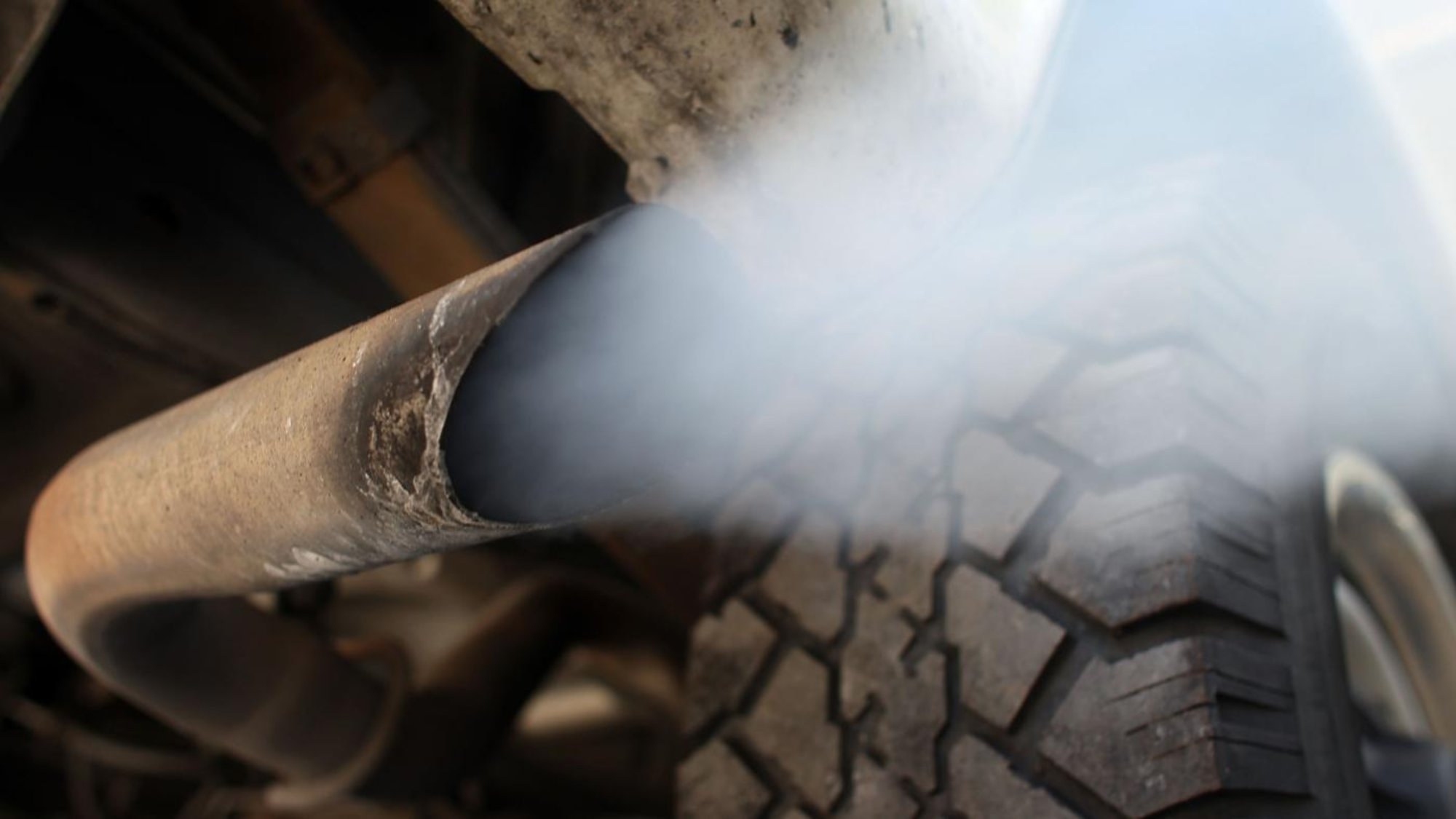
Toyota customers in New South Wales have been issued notices by the Environmental Protection Agency (EPA) with strong warnings.
“If I did not get the problem seen to within their time frame then they would fine us,” small business owner Kyle Kinchela tells the ABC of her 2015 Hilux.
“I called Toyota and tried to get in for a service and I couldn’t get an appointment that suited within the EPA’s time frame, so I had to get the next best thing and call the EPA for an extension,” Kinchela explains.
She was told by the EPA in a follow-up notice, “if an authorised officer reports your vehicle emitting smoke after Friday, 29 June 2018, a Penalty Notice ranging from $300 to $2,000 can be imposed”.
South Australian owner Mike Stone was also issued a defect notice by police, but had his Hilux in his local Toyota dealership four times to fix the smoke issue. Just five months after the first rectification visit, he returned to the dealer.
Max Bancroft and his wife had their Prado towed 300km to Alice Springs in 2018 and waited four days for the Toyota dealership to fix their DPF issue.
“We were booked to be at Uluru … and we never got there,” he says.
Toyota says in a statement, “We encourage any Toyota owners with questions or concerns about their DPF to contact their closest or preferred Toyota dealer”.
Victorian EPA data reveals 792 complains were made about Toyotas to the authority from 2018-19 regarding “smoky vehicles”, although fails to indicate what kind of smoke, be it white or black.
Nissans were the cause of 677 smoke complaints, followed by 417 for Mitsubishi, 403 for Fords, 290 for Holdens, 262 for Isuzus, BMWs were in 222 reports, 157 for Mercedes-Benz, 126 for Volkswagen and 122 for Hyundai. All these brands have a diesel among their highest-selling models.
Victorian EPA complaints totalled 5271 in 2018-19, an increase of 8.4% or 445 complaints. NSW EPA had a 40% smokey vehicle complaint increase to nearly 2000, while Queensland reporting umped 45% to well over 3000.
EPA regulations defines a smokey vehicle as emitting 10 consecutive seconds of smoking exhaust.
Infrastructure minister Michael McCormack’s office says, “The Liberal and Nationals Government is currently considering the case for introducing the latest international noxious-emission standards for light and heavy vehicles”.


Join the conversation